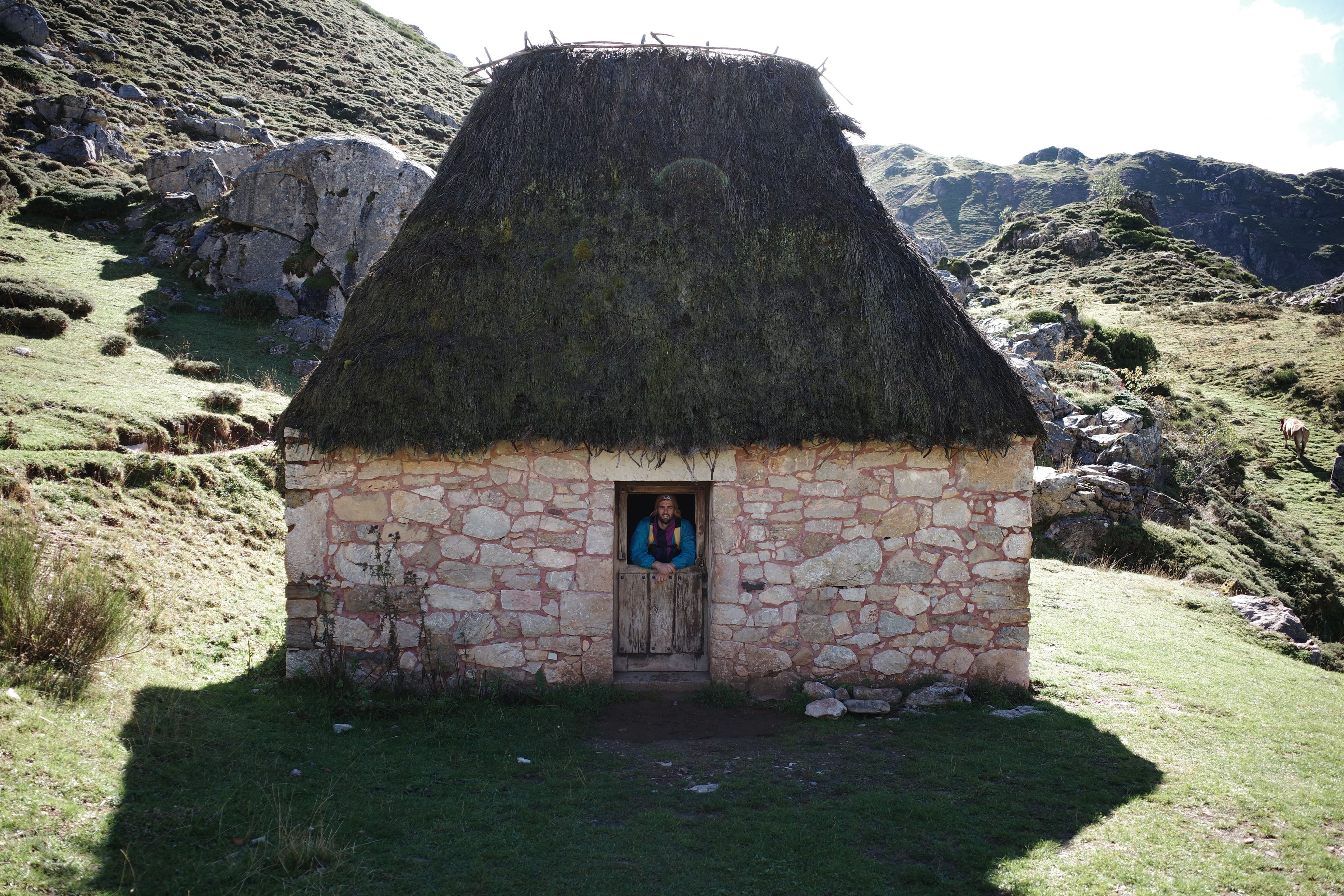
Before any of this, my life had the shape of a mechanic's workshop and the sound of a delivery truck. I fixed cars, then carried water and soda door to door through the streets of my city, in Argentina. It was honest work, predictable, with fixed hours and routines that repeated week after week. And still, something in me kept asking the same question: what is out there? Not a specific dissatisfaction, no drama — just a curiosity growing faster than my excuses for staying. One day I stopped putting it off. I gathered what little I had, packed a bag, and left to look for an answer I knew would not fit in a single word.
I did not have a five-year plan. At most I had the urge to cross one border and see what happened on the other side. What I did not know was that the curiosity would carry me for five full years through Latin America, Africa, Asia and Europe, and that along the way I would learn the simplest and hardest lesson of the whole trip: landscapes are spectacular, but the eye gets used to them. An astonishing mountain only astonishes you for a while; a person who opens their front door, cooks you what their family eats and tells you how they understand the world — you never get used to that. So I decided, almost without noticing at first and very deliberately afterwards, that my trip would be about people. About houses, food, traditional drinks, customs passed down through generations. The places were the setting. The people were the story.
The Latin American Road
I started close to home, though “close” is a relative word when you are crossing whole borders hitchhiking, by bus, by whatever turned up. Mexico, Guatemala, Costa Rica, Panama, Colombia, Ecuador, Peru, Bolivia, Chile, Brazil, Uruguay: I was building a map that was really a collection of kitchens, of languages that changed accent every few hundred kilometres, of people who invited me to their table before they even asked where I came from.
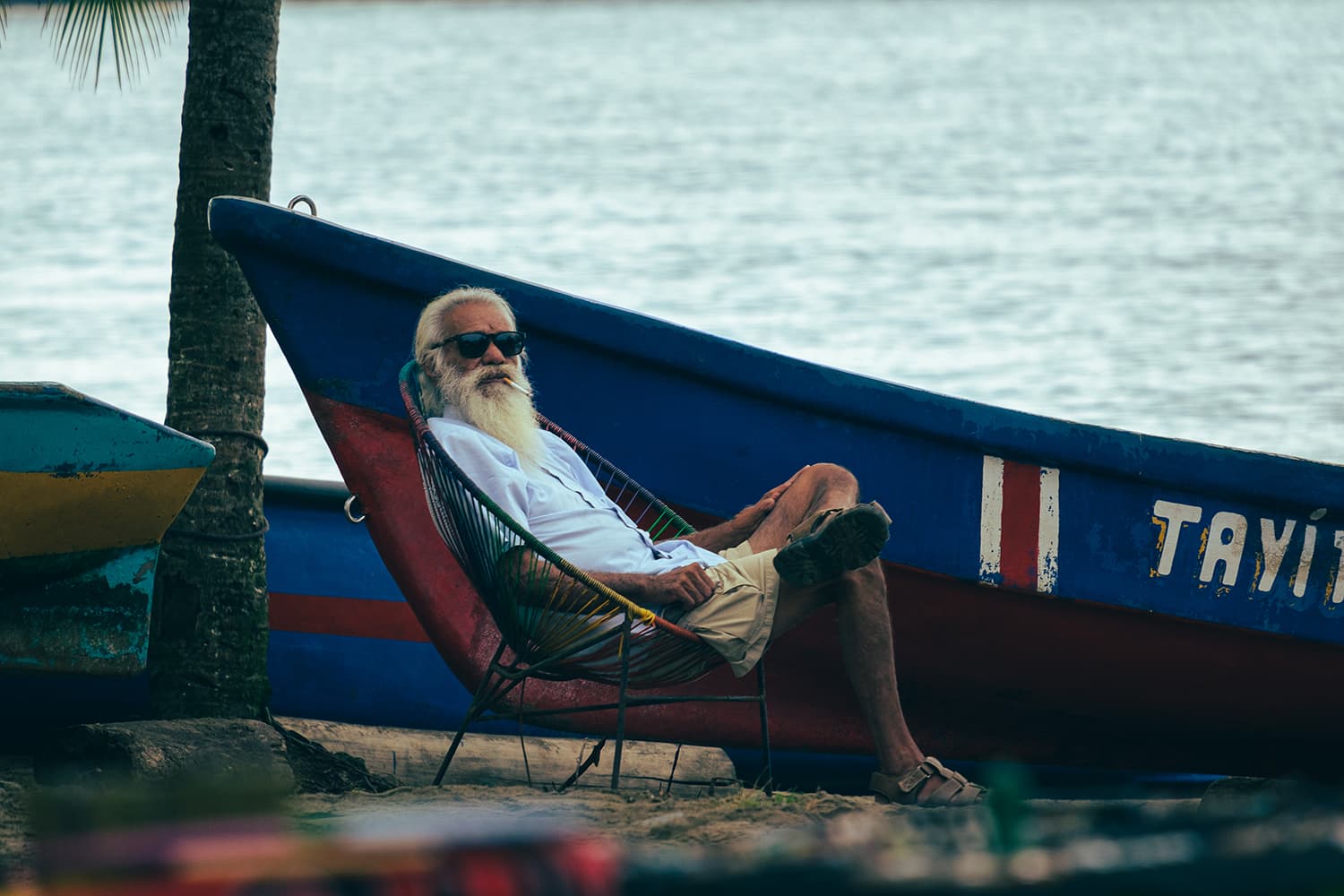
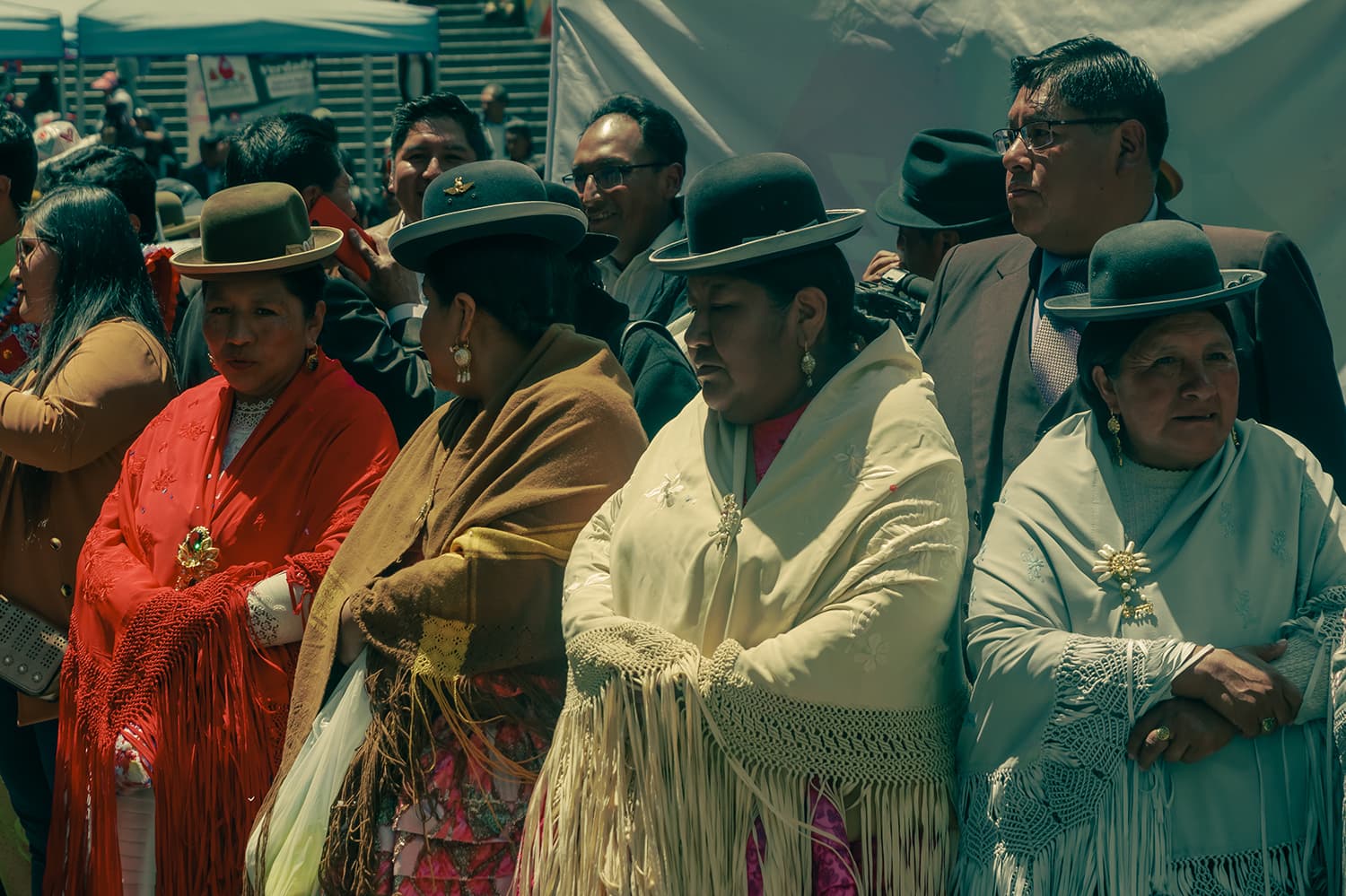
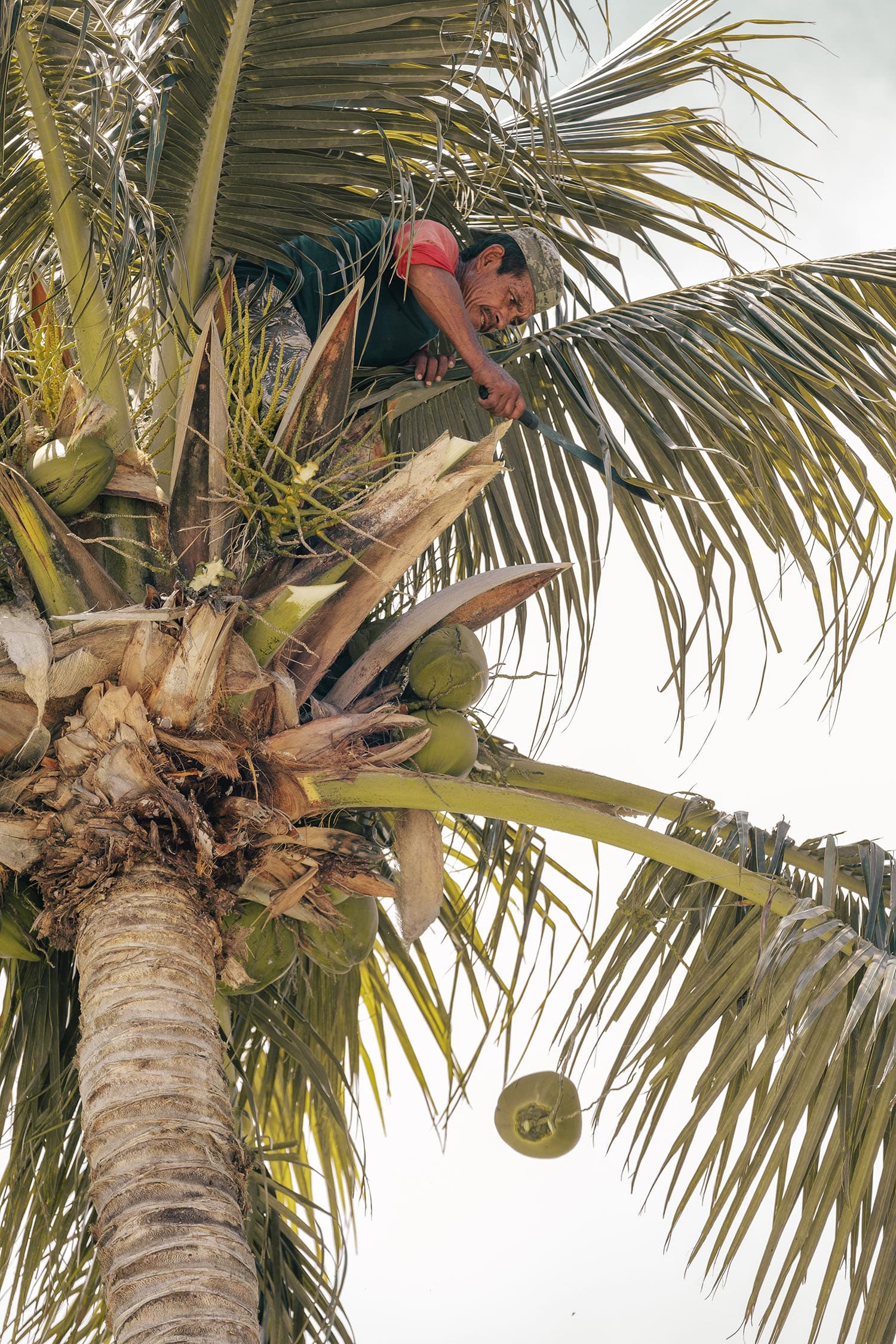
I learned fast that travelling like this — for years, not weeks — has a logic of its own. The money does not stretch to hotels or restaurants every day, and deep down I did not want that kind of trip anyway. I started volunteering: in exchange for somewhere to sleep and something to eat, which is where most of your money goes when you travel, I worked. I helped in hostels, in vegetable gardens, wherever I was needed. And moving that way turned out to be the way into everything else, because when you work beside someone, when you share the midday meal and not just a handshake, the relationship changes. You stop being a tourist. You start being, for a while, part of somebody else's routine.
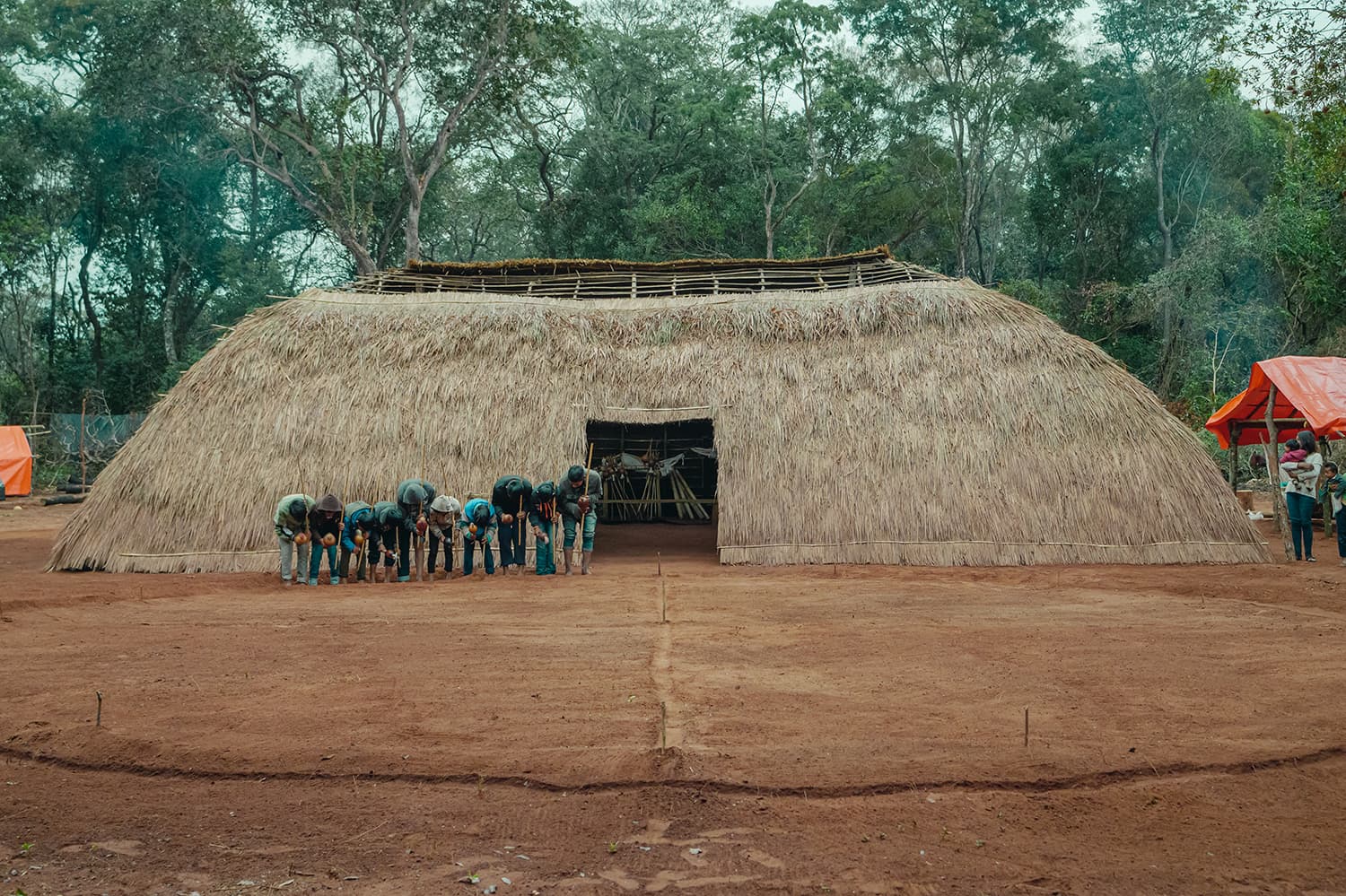
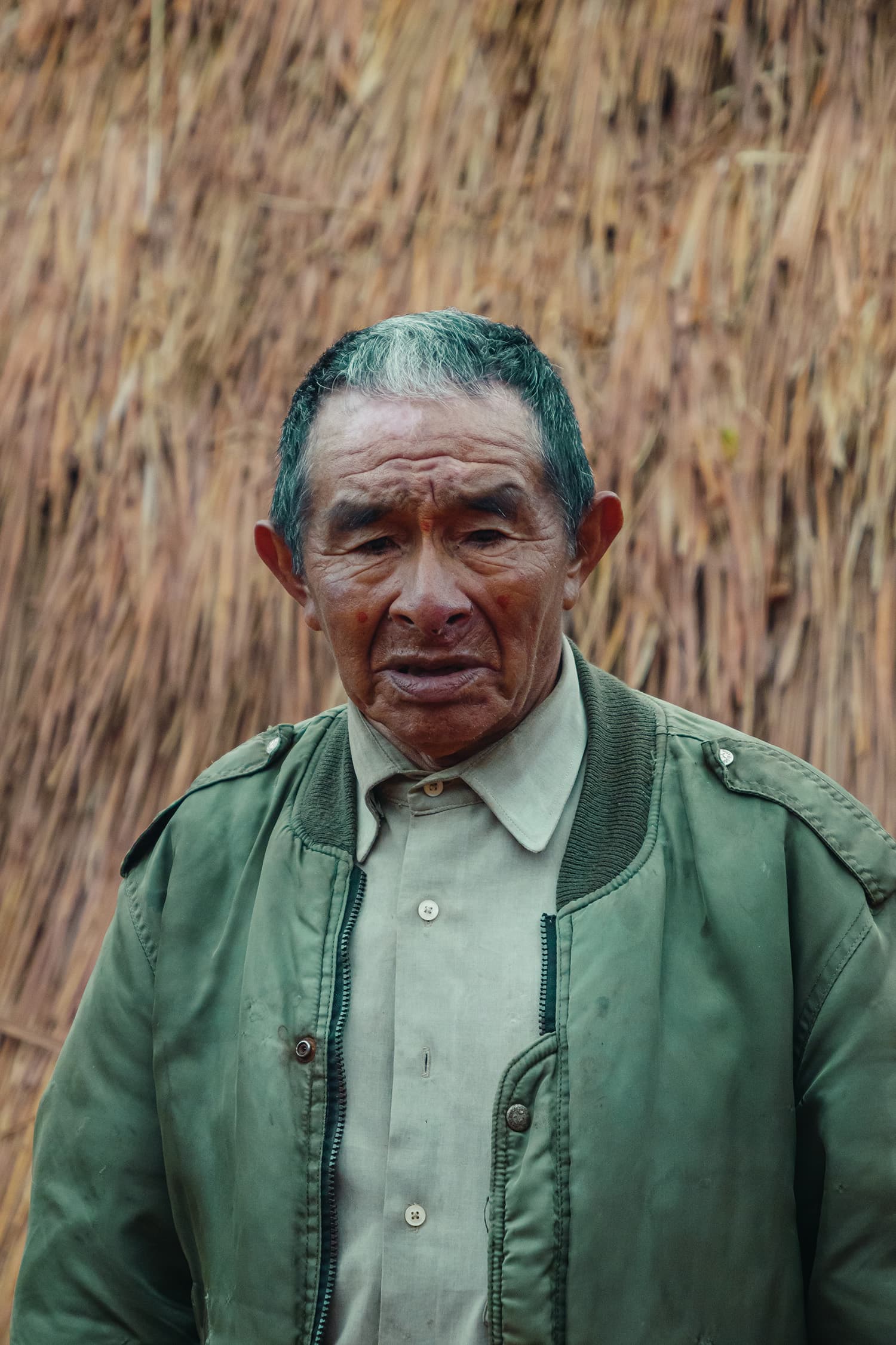
It was in that back and forth across the continent that I reached Paraguay and met, almost by chance, a doctor who spent his time helping Guaraní communities recover land that foreign buyers had taken from them. That man opened a door that normally stays shut: I spent several days living with a Guaraní community, sleeping where they slept, eating what they ate. And I had the luck — because there is no other word for it — to be there during one of the most important ceremonies in their culture: the baptism of the community's boys. I will not pretend I understood every detail of what I was seeing, but I did understand the essential part: I was in front of a way of holding on to identity, belonging and memory that had been resisting for generations, despite everything that had been taken from them. I came out of those days certain that this was exactly the kind of story I had left to find, even if I could not name it that way yet.
Crossing the World: Africa and Asia
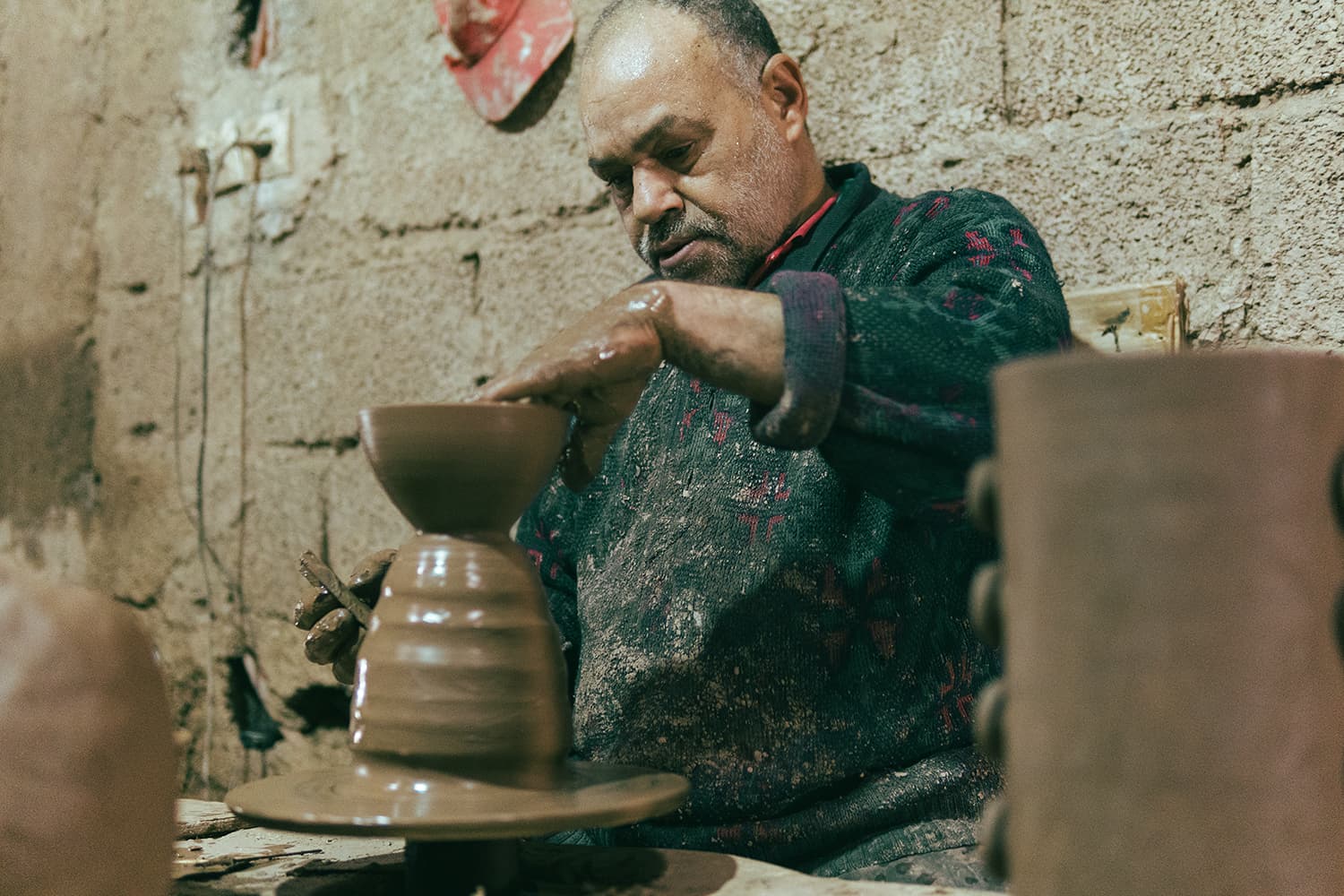
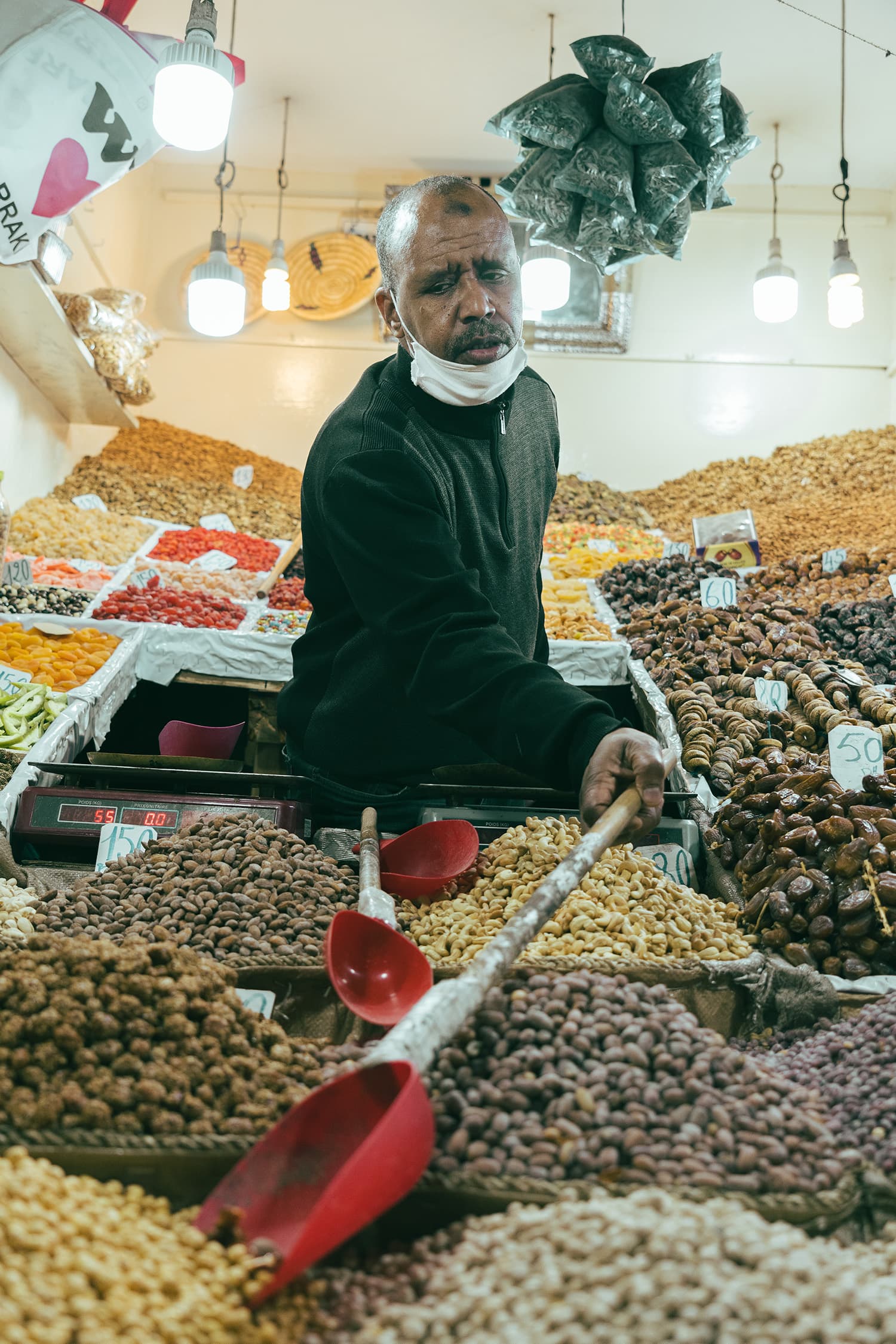
After Latin America the map opened much wider. I crossed into Morocco, my first contact with Africa, with its markets, its courtyard houses and a hospitality that is served, literally, in the form of tea. And from there, Asia: China, Japan, Thailand, Vietnam, Malaysia, Turkey. Each country was a different way of eating, of praying, of resting, of receiving a stranger.
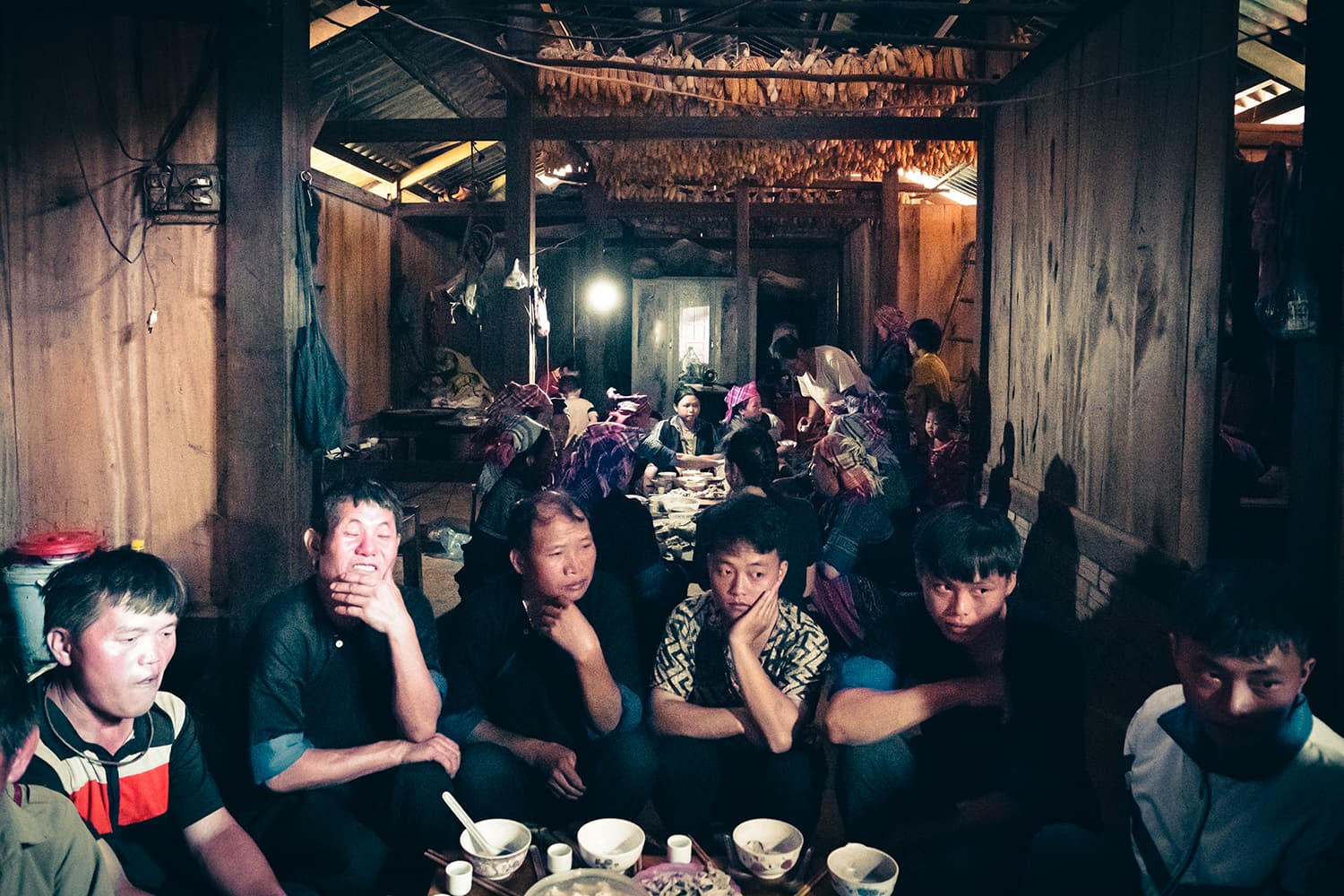
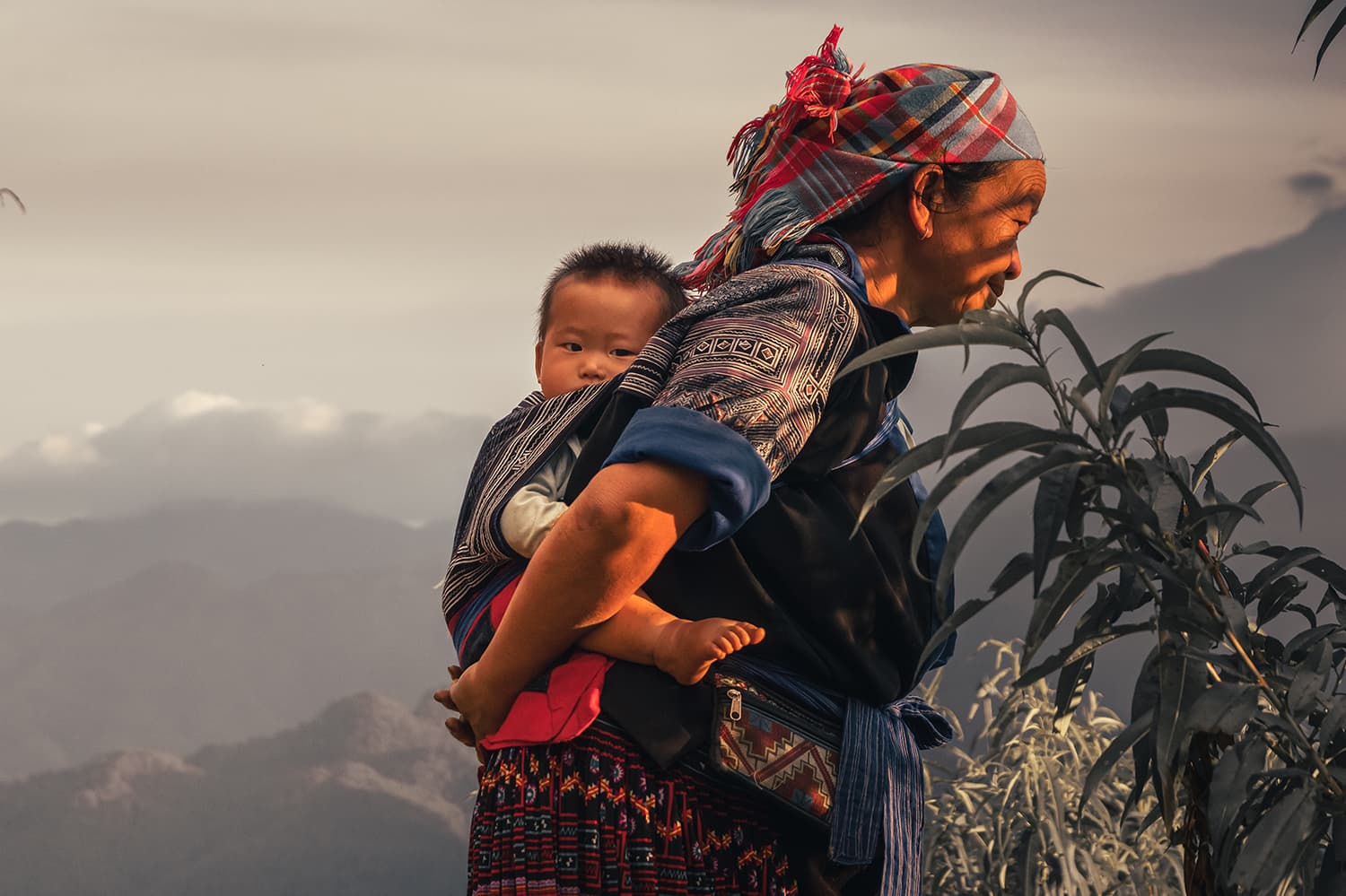
If I have to pick one memory from that whole stretch, I pick a road in northern Vietnam. I was riding through the area on a motorbike, with no plan beyond following the road and seeing where it went, when we came to a family running a homestay. We stayed, and within hours the warmth between us was so real that they ended up inviting us to a traditional celebration inside their Hmong community. It was not an experience staged for tourists: it was a family opening their most private circle to a couple of strangers on a motorbike, for no reason other than wanting to share. I remember that night — the food, the music, the way they laughed with each other — as one of those moments that justify, all on their own, every kilometre it takes to get there.
Between one road and the next, between one volunteering stint and the next, I built a rule that became the compass for all five years: if I had to choose between seeing a famous place and spending the afternoon with a local family, I chose the family. The temples and the mountains are still there, waiting. An invitation to eat in someone's home does not come around twice.
Europe, and an Ending That Is Really a Beginning
The trip took me through Europe too: Italy, Serbia, England, Spain, and back to Turkey, this time to the Istanbul side — that city which is, literally, the hinge between two continents, something that felt almost symbolic after so many years crossing borders.
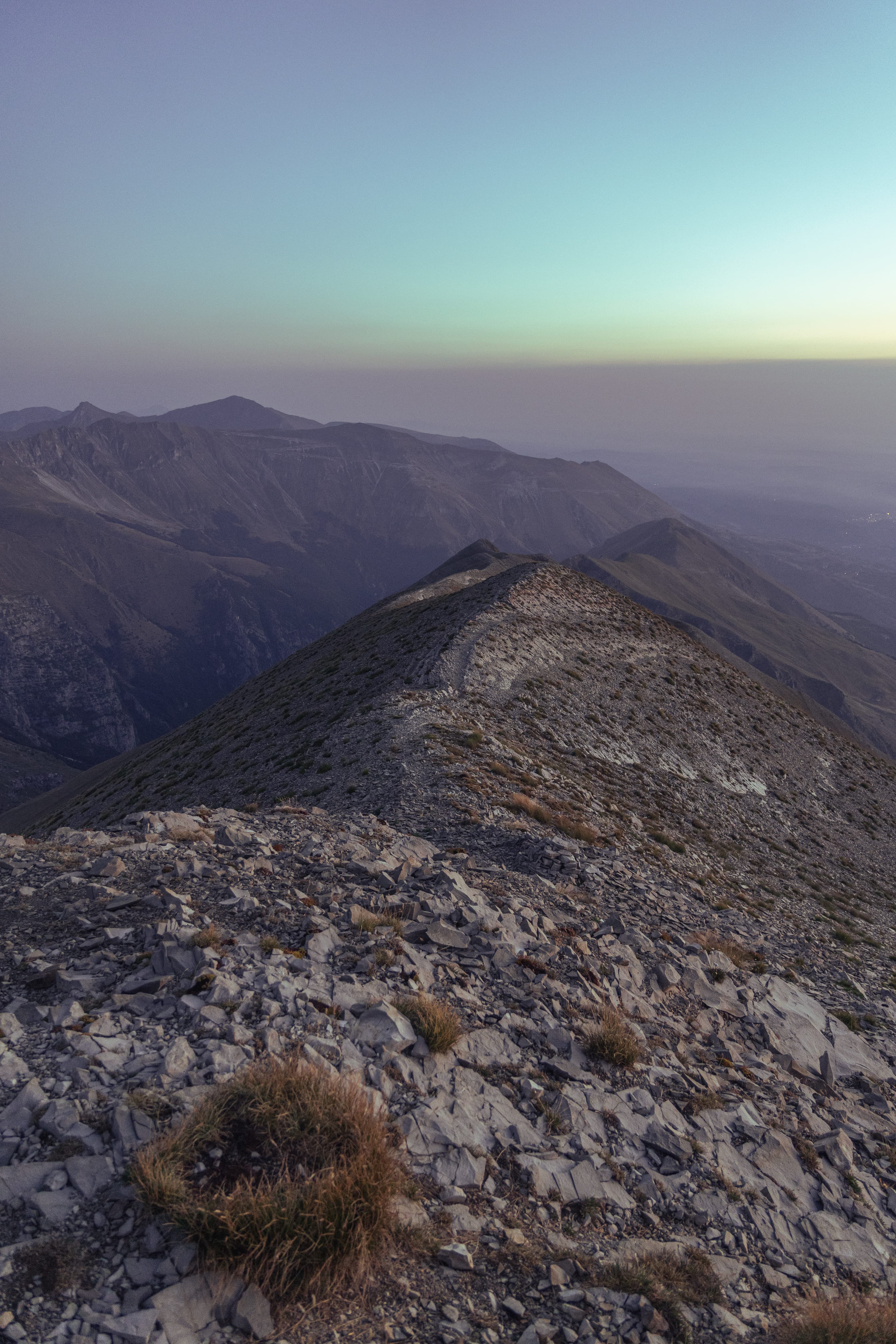
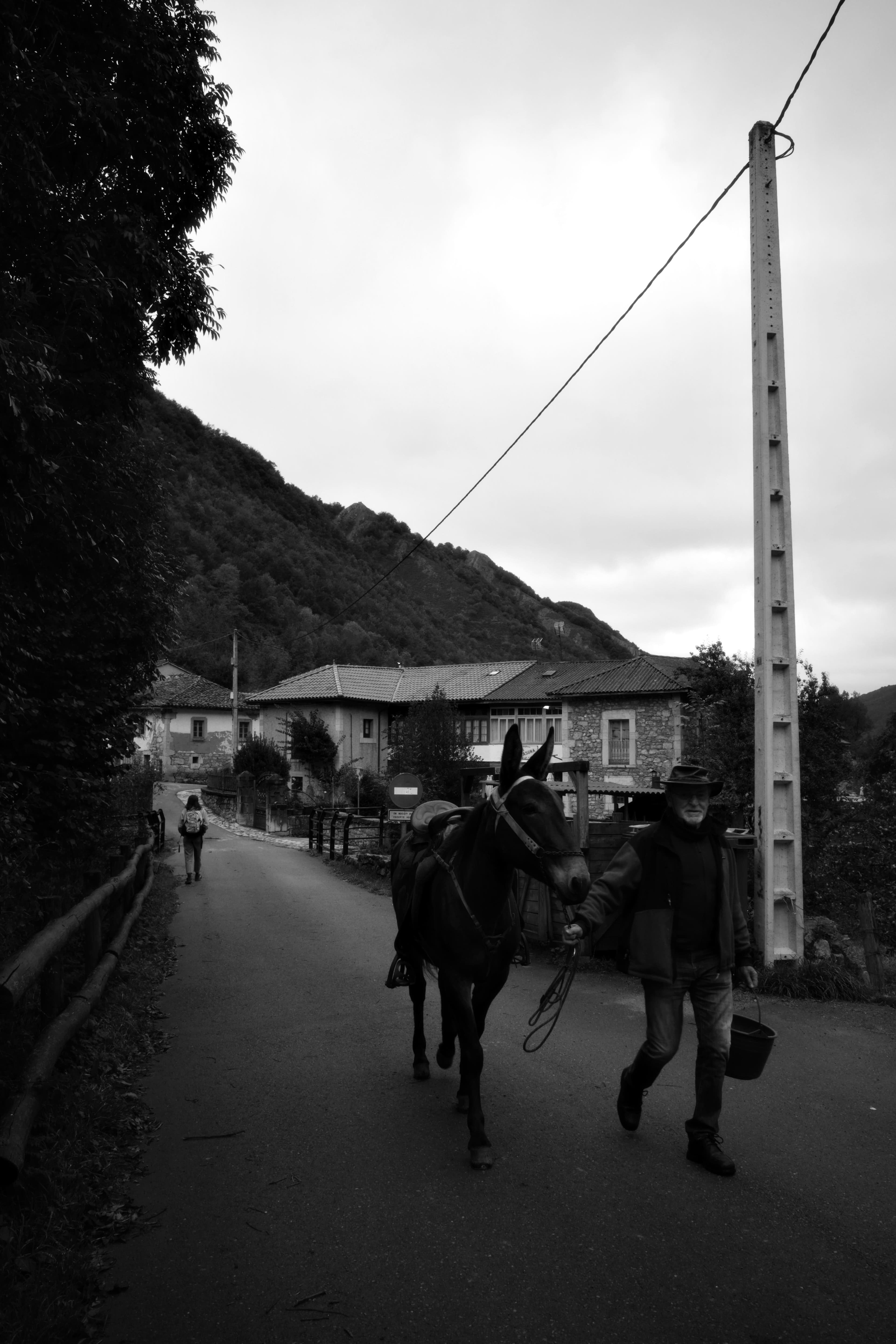
It was in Italy that the trip, without my planning it, found somewhere to rest. I met an Italian girl, and what began as one more stop on the route turned into something I did not want to keep putting off the way I had, years earlier, with the questions that got me out of the mechanic's workshop. Today I live with her in Italy. It was not the end of the trip — in fact I do not feel the trip has ever ended — but it was the moment I understood that sometimes you set out to find the whole world and end up finding, somewhere along the way, one specific place and one specific person that give meaning to all the rest.
What Comes Next
Five years, close to twenty countries, four continents, and one certainty that grew stronger with every border: human beings resemble each other far more than the news and the distances lead us to believe, and at the same time, what makes us different — the language, the food, the ceremonies, the way of receiving a stranger — is exactly what is worth going to find.
The trip is not over. I still have the same urge to see, to take photographs, to record stories that would otherwise be lost. This site is, underneath it all, a way of continuing to share those tables I was invited to, those houses that were opened to me, those ceremonies I was lucky enough to witness. Every photograph you will find here has, behind it, someone who decided to trust a stranger with a backpack. This is my way of giving some of that back: telling their stories, so they do not stay only in my memory.